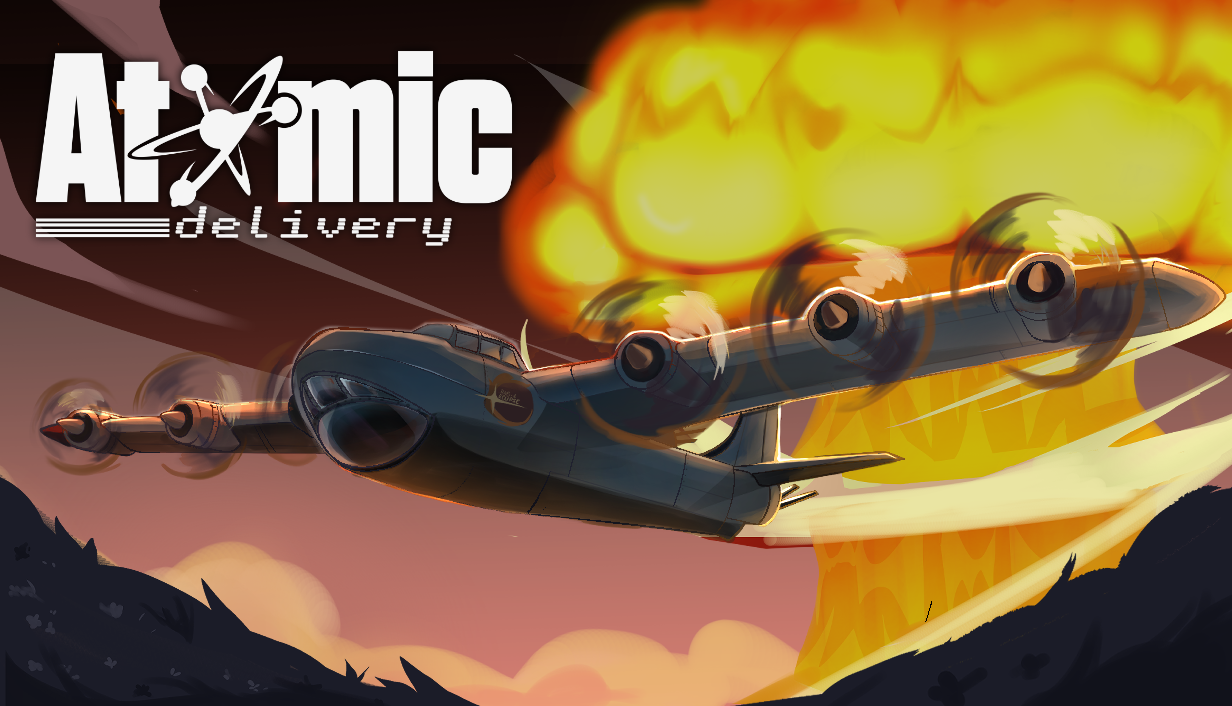
Atomic
Delivery

Atomic Delivery key art

The General Staff gives you a target, a required yield and a route. Then they give you the BNS 1 Eclipse and expect the rest to happen before you reach the target.

Before takeoff

Every mission starts with preparation. You review the target and flight instructions, spend the mission budget, order uranium, gunpowder and industrial supplies, then load the aircraft.

The Eclipse is not just a bomber. It is a workshop. Crates, machines, raw materials and unfinished parts all have to make sense before you leave the runway.
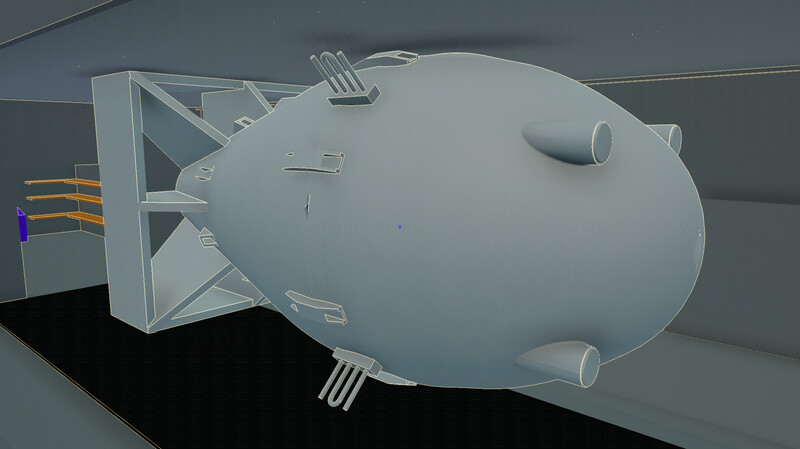
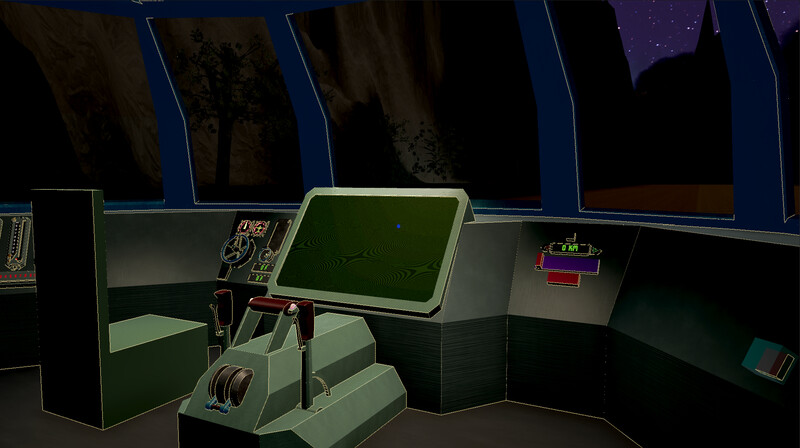
Atomic Delivery bomber interior

Once you are airborne

The mission does not stop because you are busy at a machine. Start the engines, take off, read the map, calculate bearings and keep the aircraft moving toward the target.

At the same time, uranium still needs refining. Explosive charges still need producing. The assigned weapon still needs assembling. Centrifuges, furnaces, presses and the rest of the workshop exist because you are expected to use them while the bomber is already in the air.

Atomic Delivery onboard machinery

Things keep happening

Fires, failing systems, cold, anti aircraft defenses and enemy fighters do not wait for a convenient moment. Some problems can be ignored for a few seconds. Others will decide the mission for you.

The point is not to watch a dashboard. The point is to leave the seat, walk through the aircraft and physically deal with whatever just became your problem.

Atomic Delivery bomb bay

At the target

When the objective finally comes into view, the weapon has to be armed, the bomb bay has to work and the drop still has to land where the General Staff asked for it.

Your result carries into the campaign. A successful strike, a miss or the wrong target can change what happens next.

Sunderbale propaganda artwork

Sunderbale expects results. The bomber gives you enough machinery to make the mission possible and enough ways to make it go wrong.

The atom is God.